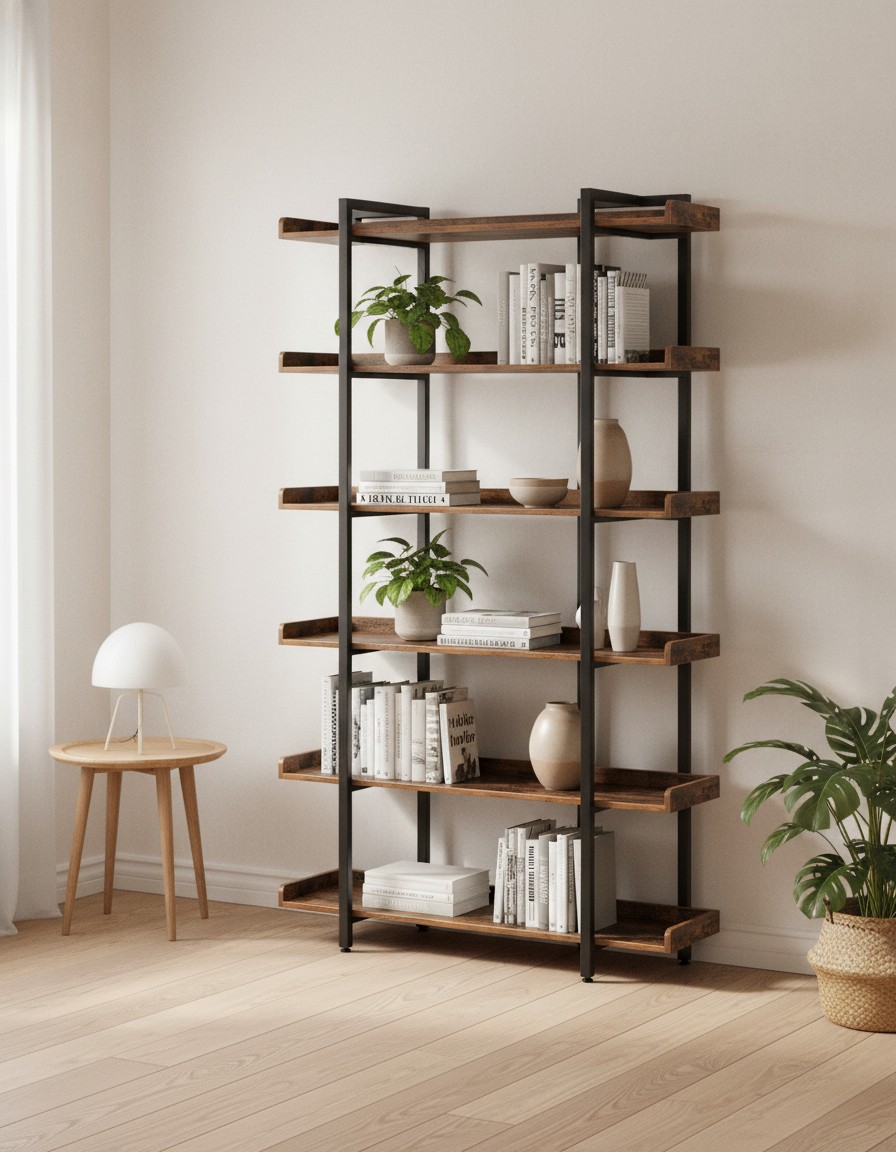
Open storage has an honesty to it.
There is no hiding, no heavy doors or visual barriers—just objects, space, and light working together.
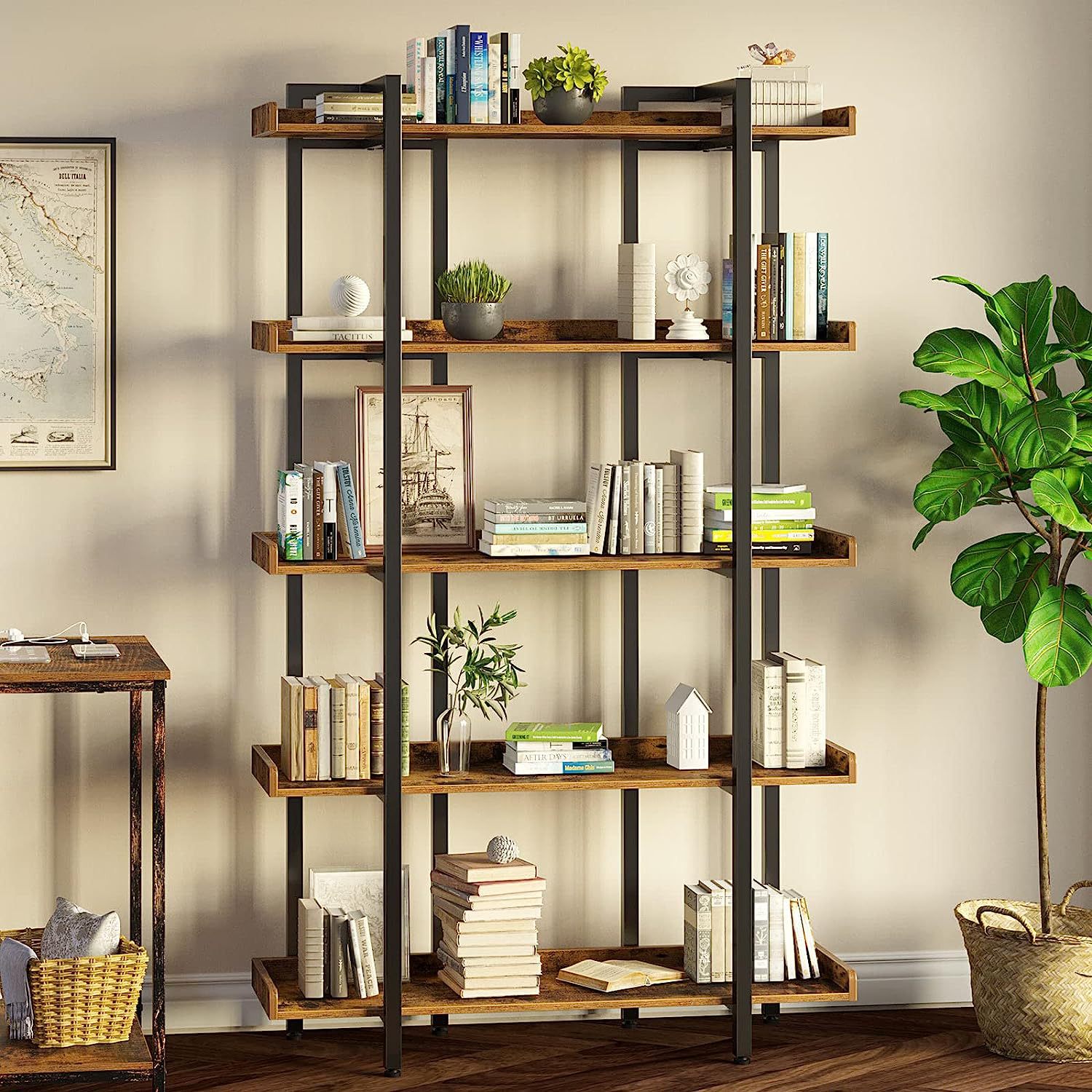
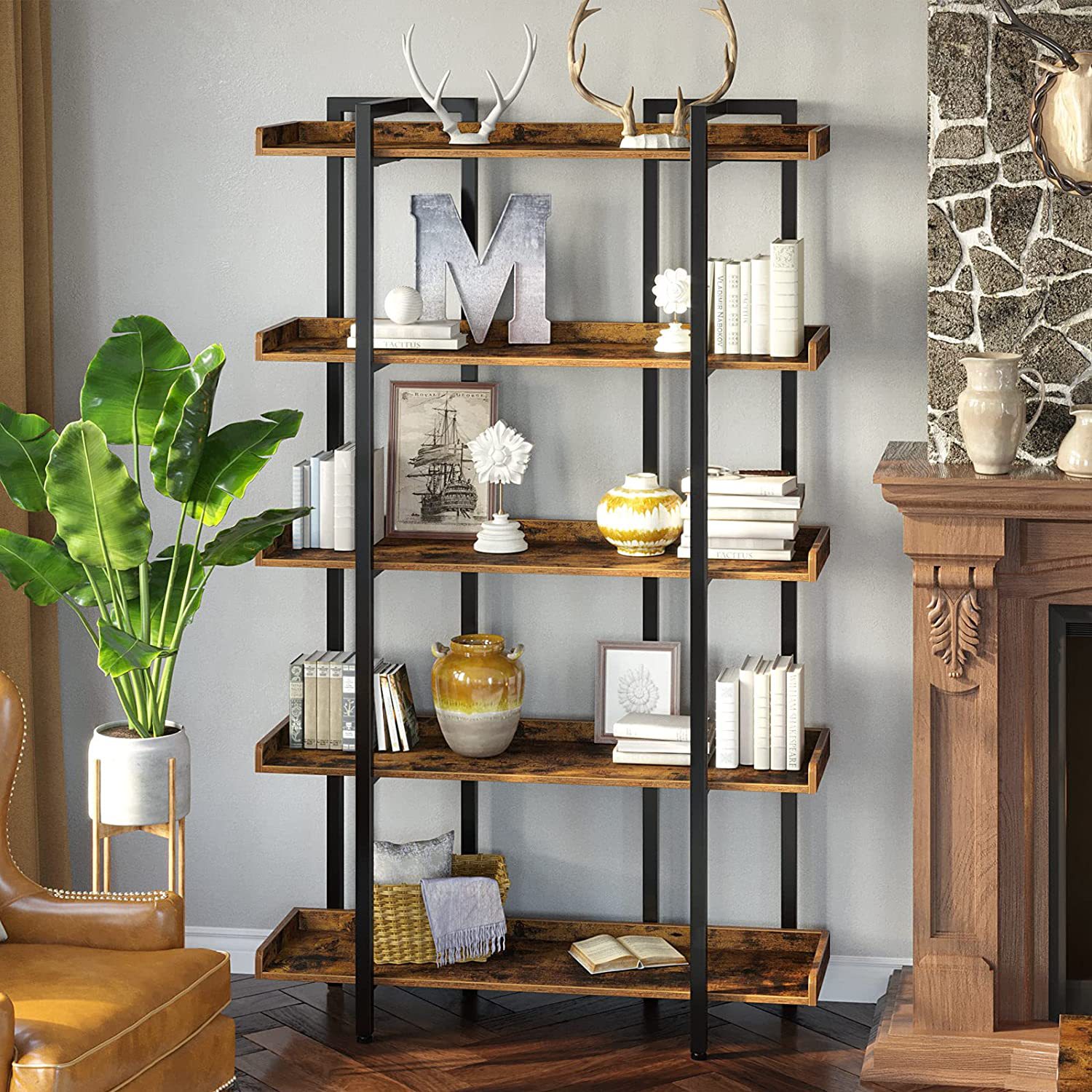
In modern interiors, open shelving and bookcases are often chosen not only for practicality, but for how they make a room feel. Without enclosure, the eye can travel freely. Natural light passes through the space instead of stopping at solid surfaces, giving interiors a lighter, more breathable quality.
What makes open storage especially appealing is its flexibility. Books, decorative objects, plants, and everyday items can all find a place, evolving naturally with daily life. The shelf becomes more than furniture—it becomes a quiet reflection of its owner’s habits, interests, and rhythm.
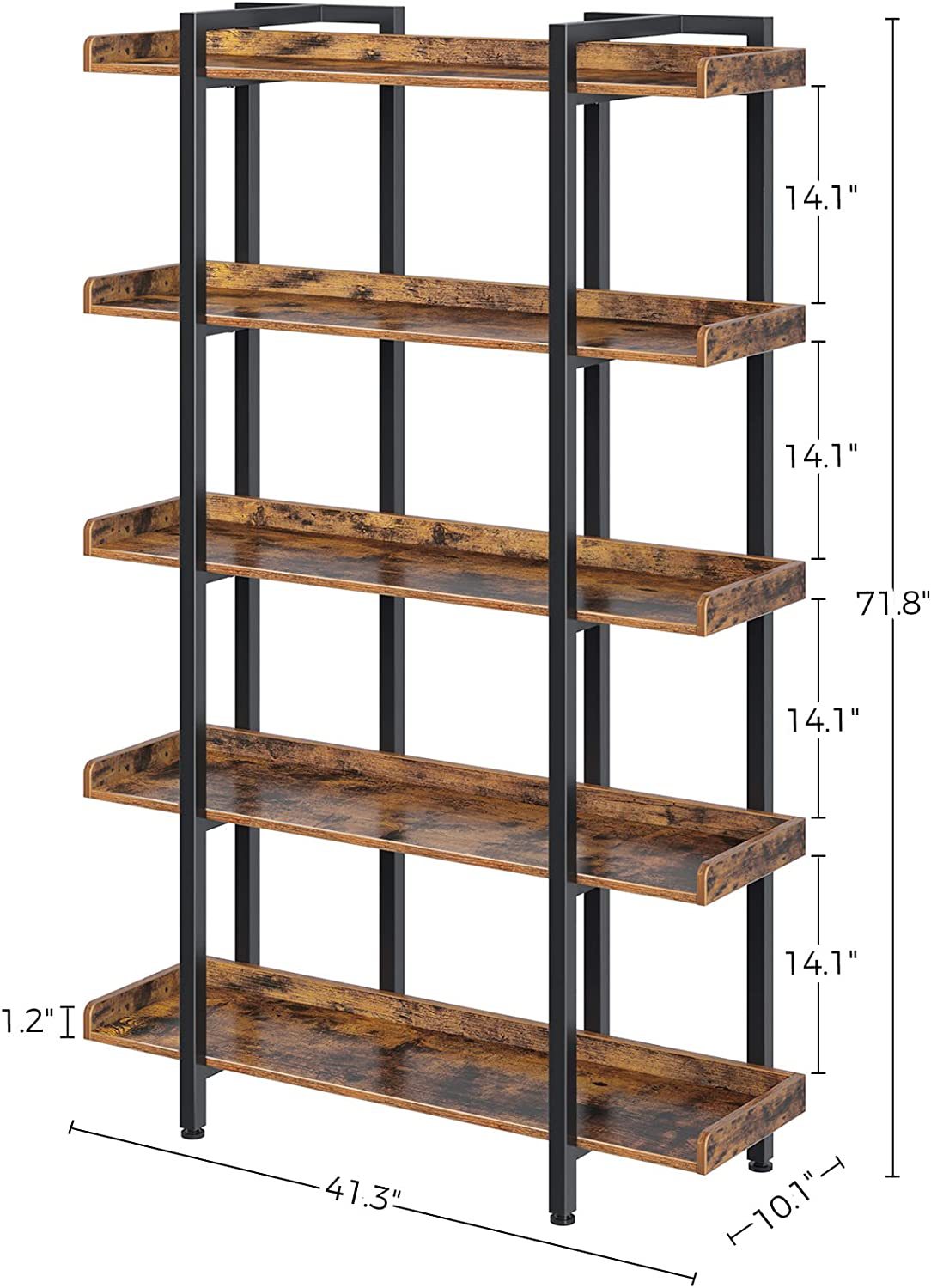
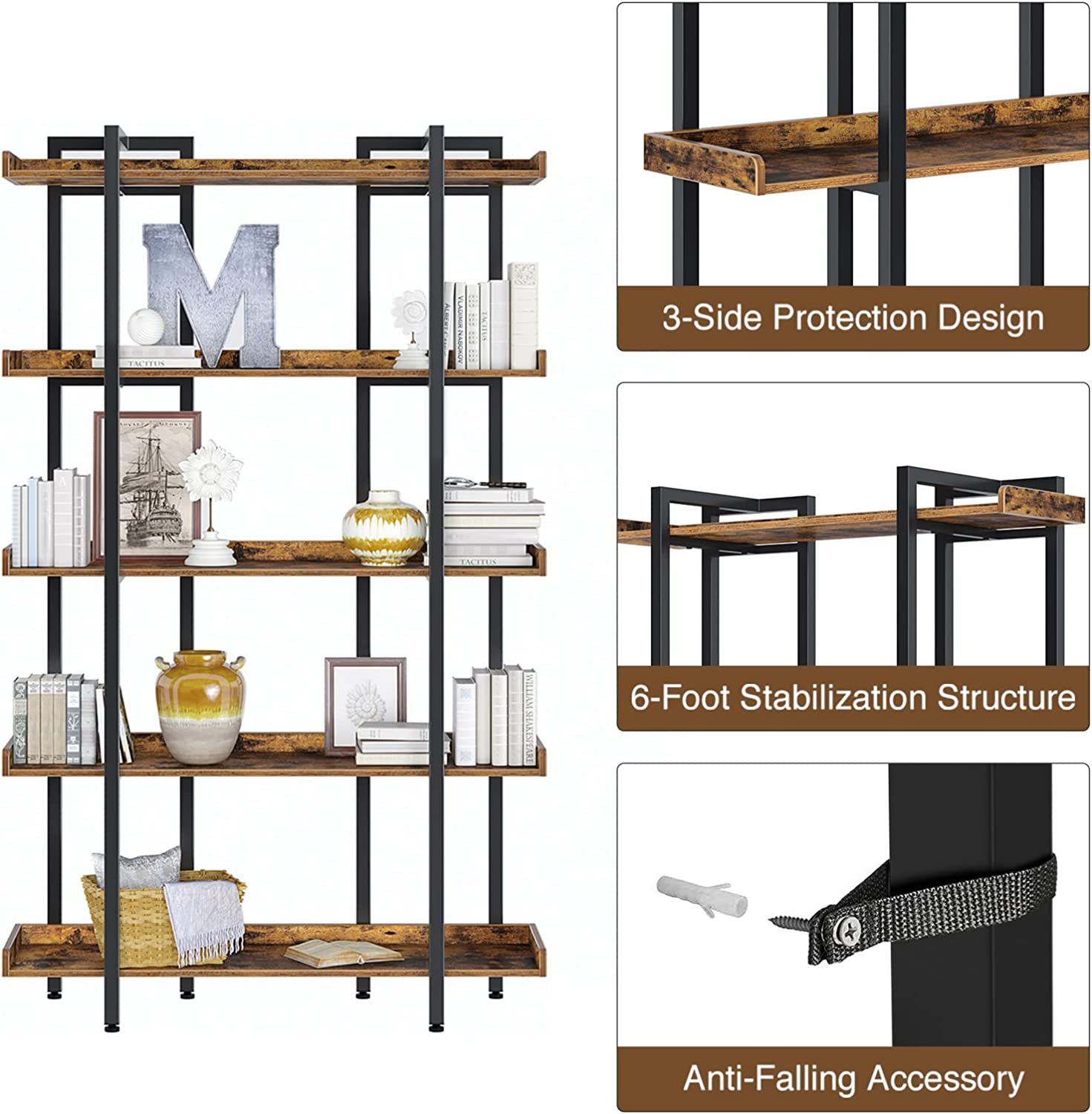
Visually calm design is key. Well-proportioned shelves, balanced spacing, and thoughtful materials prevent open storage from feeling cluttered. When designed with intention, openness does not mean chaos. Instead, it creates order through clarity.
Open bookcases also encourage interaction. Items are easy to reach, easy to rearrange, and easy to live with. There is no barrier between use and display, making the space feel more relaxed and human.
In living rooms, open storage invites warmth and personality. In home offices, it keeps inspiration within sight. Even in compact spaces, it can make rooms feel larger by reducing visual weight.
At its best, open storage supports a lifestyle that values simplicity without emptiness—where functionality and aesthetics are not competing, but quietly supporting one another.
Open storage is not about showing everything.
It’s about choosing what deserves to be seen—and letting space do the rest.